
(07) 4658 0600

More funding to cap and pipe bores announced for Queensland
Sep 9, 2025GAB, News

If you have non-watertight bores, you are likely eligible for new government funding.

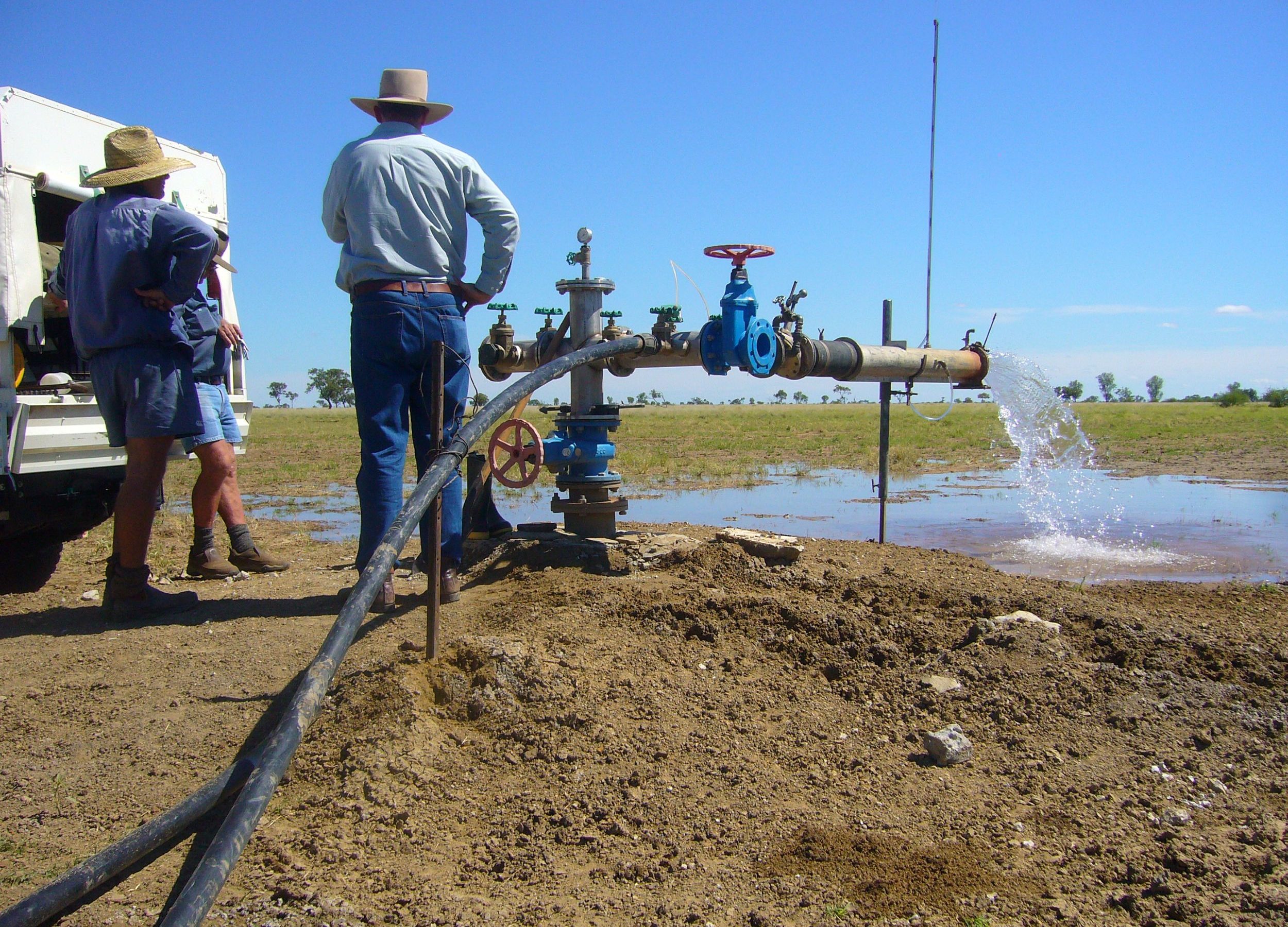
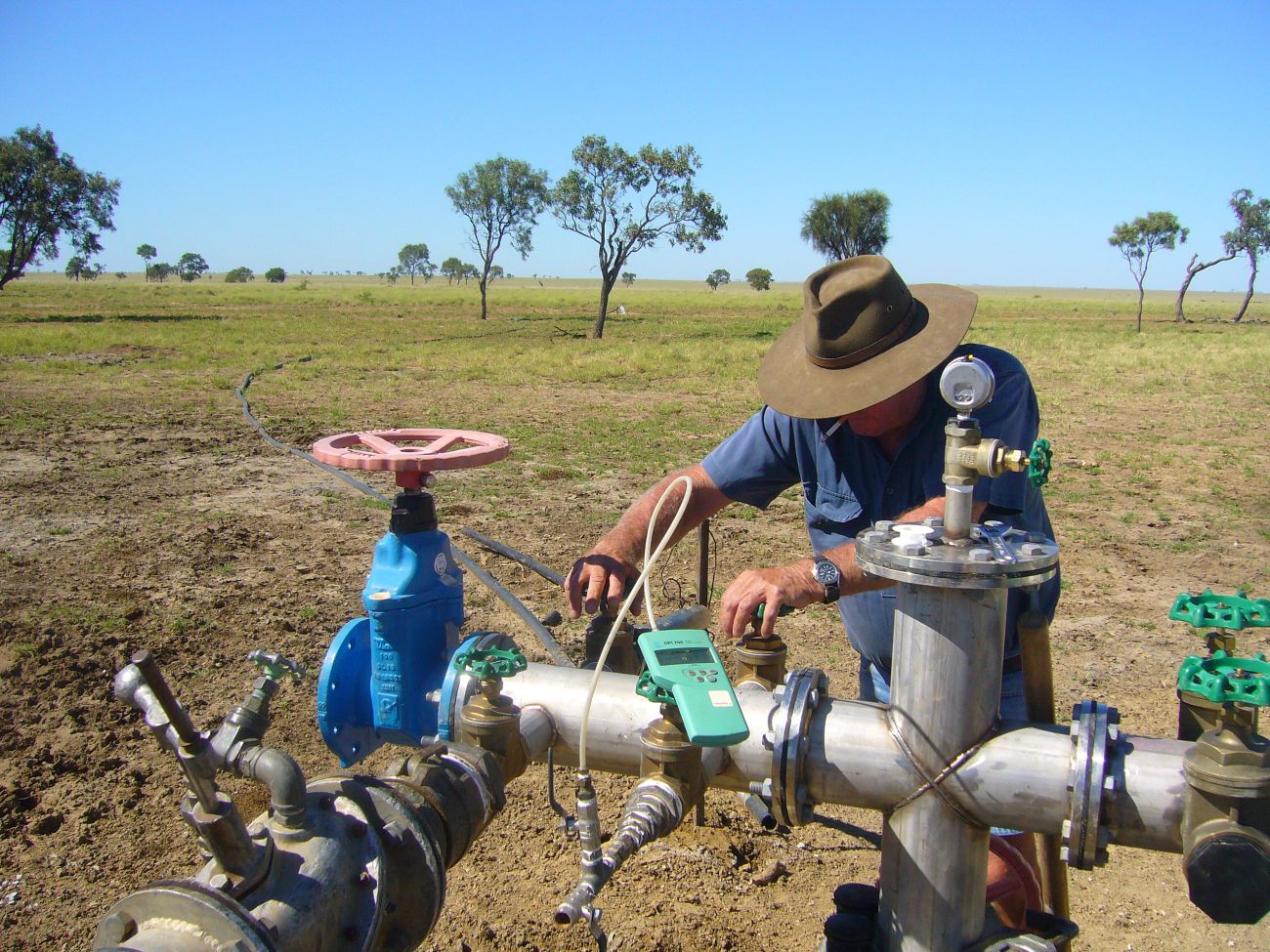
New funding has been announced to help cap and pipe remaining free-flowing bores, including for landholders within the Desert Channels region.

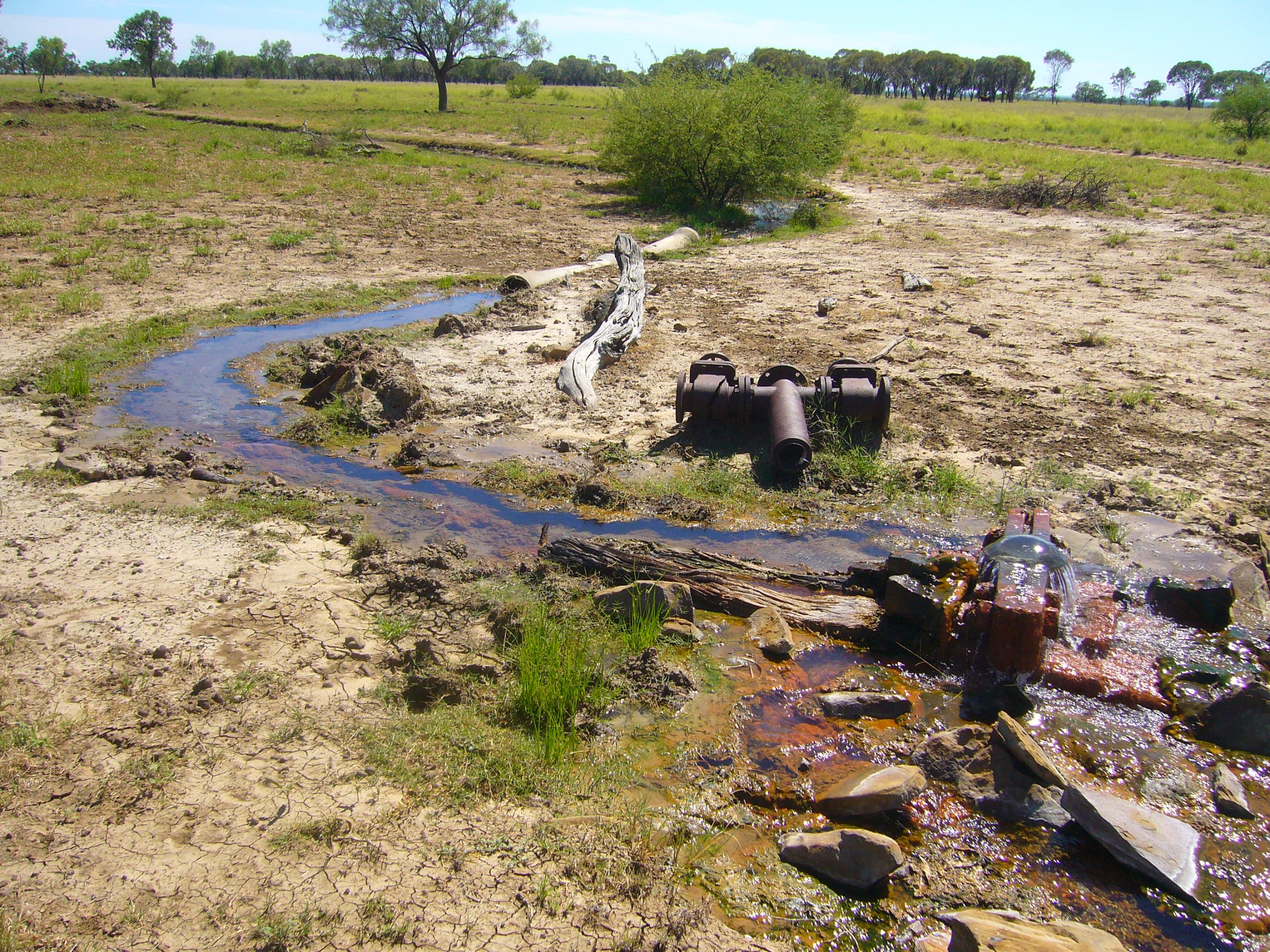
Since the 1980s, there’s been a concerted effort to cap and pipe bores connected to the Great Artesian Basin across the Desert Channels region. This work keeps water from being wasted through evaporation in the hot climatic conditions of Western Queensland.

Up to 90% of your estimated eligible project costs could be covered. 

Frequently Asked Questions

Q: How do I get funding?
You should submit an Expression of Interest via business.qld.gov.au to begin the process of an application. If you’re eligible, you’ll be sent a grant funding application form.

You can lodge an Expression of Interest via this link.

Q: What information will I need to provide?
You’ll need to supply your Lot on Plan Number and your Bore Registration Number (RN).

Q: Who will be supplying the money?
The Queensland Government.

Q: How many bores are not watertight?
So far, landholders have capped 787 bores and about 200 bores still remain.

Q: Why should I cap my bore?
Watertight bores have already saved 229,000 megalitres of water and are crucial to increase water pressure in the Great Artesian Basin. Some landholders have reported the emergence of new springs, which has been great news for livestock and biodiversity.

Additionally, you are legally required to control all free-flowing bores and bore drains by September 2032. Bore owners who fail to watertighten their bores may be subject to compliance action.

Q: How can DCQ help?
As a community not-for-profit organisation, we’re pretty used to applying for Queensland Government funding. We can help you navigate the process, and can also assist with finding best-practice bore capping and piping solutions.
 

A pack of camels stand tall in the heat of an Aussie outback day.
A DCQ field officer is almost entirely hidden from view by an entanglement of parkinsonia weed.

How poly-pipe squares help assess land ‘bio-condition’ over time

A square plays a important role in capturing changes in NRM condition for several projects in the DCQ region.

Night parrot listed as ‘critically endangered’ as monitoring underway

An elusive, rare parrot in the Desert Channels region that was once thought to be extinct.

Free water quality testing of bores, springs in Western Queensland

Over the next 12 months, DCQ can test your bore or spring water quality at no cost.

Photos: Fast-moving bushfires a ‘real possibility’ in Western Qld this season

The Qld Rural Fire Service is concerned fires will be more dangerous than usual.

Emu chicks hatch and reveal ‘extraordinary’ role of emu dads

A rare moment caught on camera – emu chicks hatch in Western Queensland.

Springs

Lying beneath parts of the Northern Territory, Queensland, South Australia, and New South Wales, the Great Artesian Basin, (GAB) is Australia’s largest groundwater basin and one of the largest underground freshwater resources in the world.

LANDCARE

Funded through the Australian Government’s National Landcare Program, the SAF is a trusted partner providing critical advice and extension services

Invasive Cactus

Cactus weeds have become more aggressive in our region due to climate shifts, drought and rainfall variability.

Waddy Trees

Occurring in isolated populations on the fringe of the Simpson Desert in inland Australia, the Waddi tree is one of the country’s rarest trees.

GAZING AND GRAZING INTO THE FUTURE

A project dedicated to assisting the progression of the grazing industry into the future is one that deserves close attention and support from all involved in the industry. One of 10 projects under the Queensland Government’s Drought and Climate Adaptation Program...

SUCCESS IN THE MAKING

With the summer rain, plants are now leaping out of the ground.

THORNVILLE QUANDARY

When pastures don’t return as expected.

SEEDY BUSINESS

Sometimes, even mother nature needs a hand. Having perfected Prickly Acacia control, we have begun seeding work to “turbo charge” pasture recovery.

THE TECH SAVY DESERT RAT

iPads are not just toys for us. They’ve become critical tools in recording our data and helping us to refine our mapping.

IS DIESEL BECOMING A THING OF THE PAST?

The increased cost of diesel, along with its health and environmental issues, has opened the door for a new kind of herbicide.