Succulent ‘crack-down’ on Mother of Millions as surveys kick on
A new weed project kicks off in Western Qld.
Desert Channels Queensland’s cactus and succulent weeds project is officially underway in two regions in Western Queensland.
It’s an exciting and ambitious new project, supported by the Australian Government’s Climate-Smart Agriculture Program, that aims to achieve all-of-catchment coverage of four priority waterway systems.
Surveys have already begun along Ravensbourne Creek, which is approximately 35km south-west of Blackall, to understand the extent of Mother of Millions succulents.
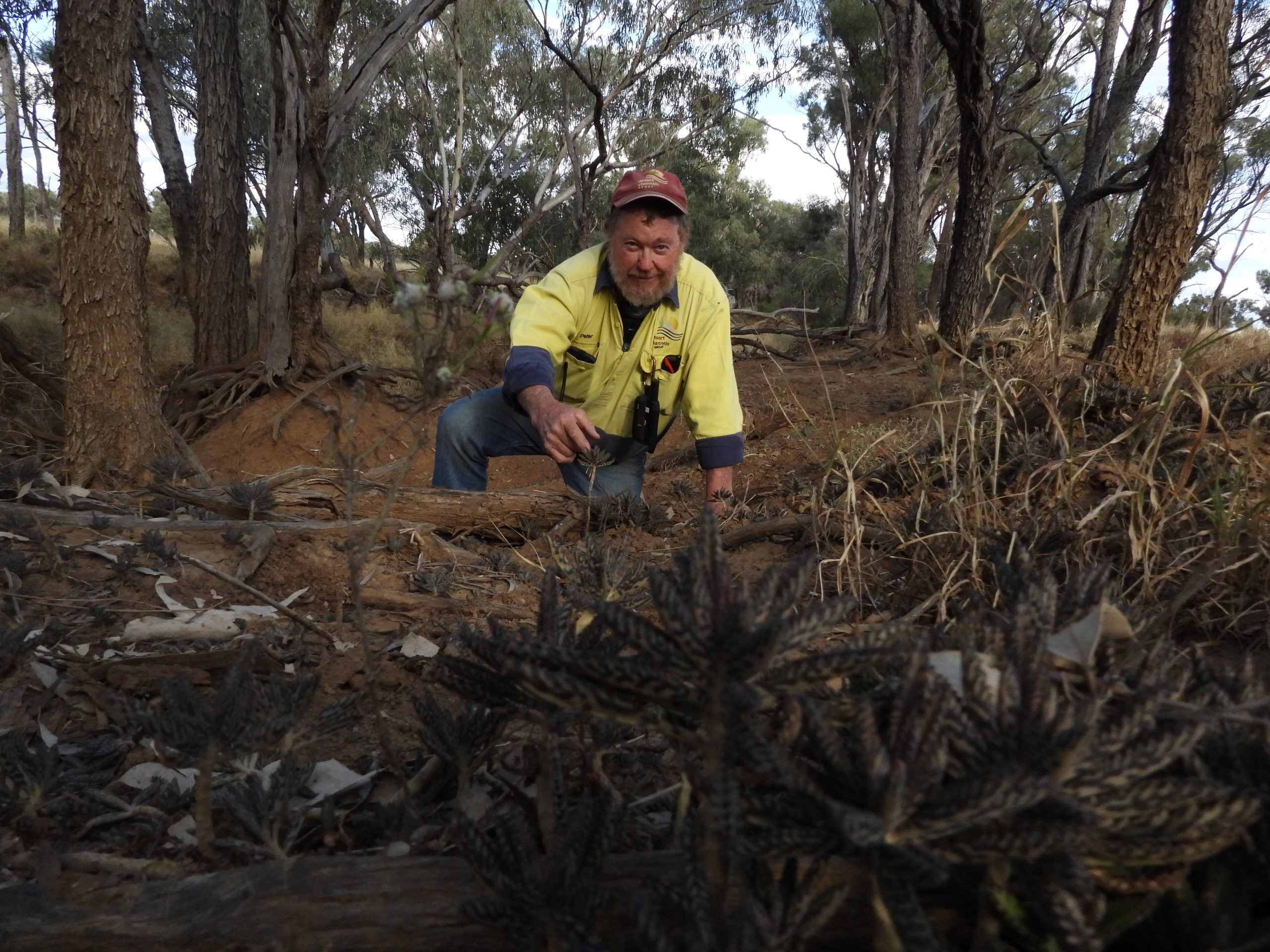
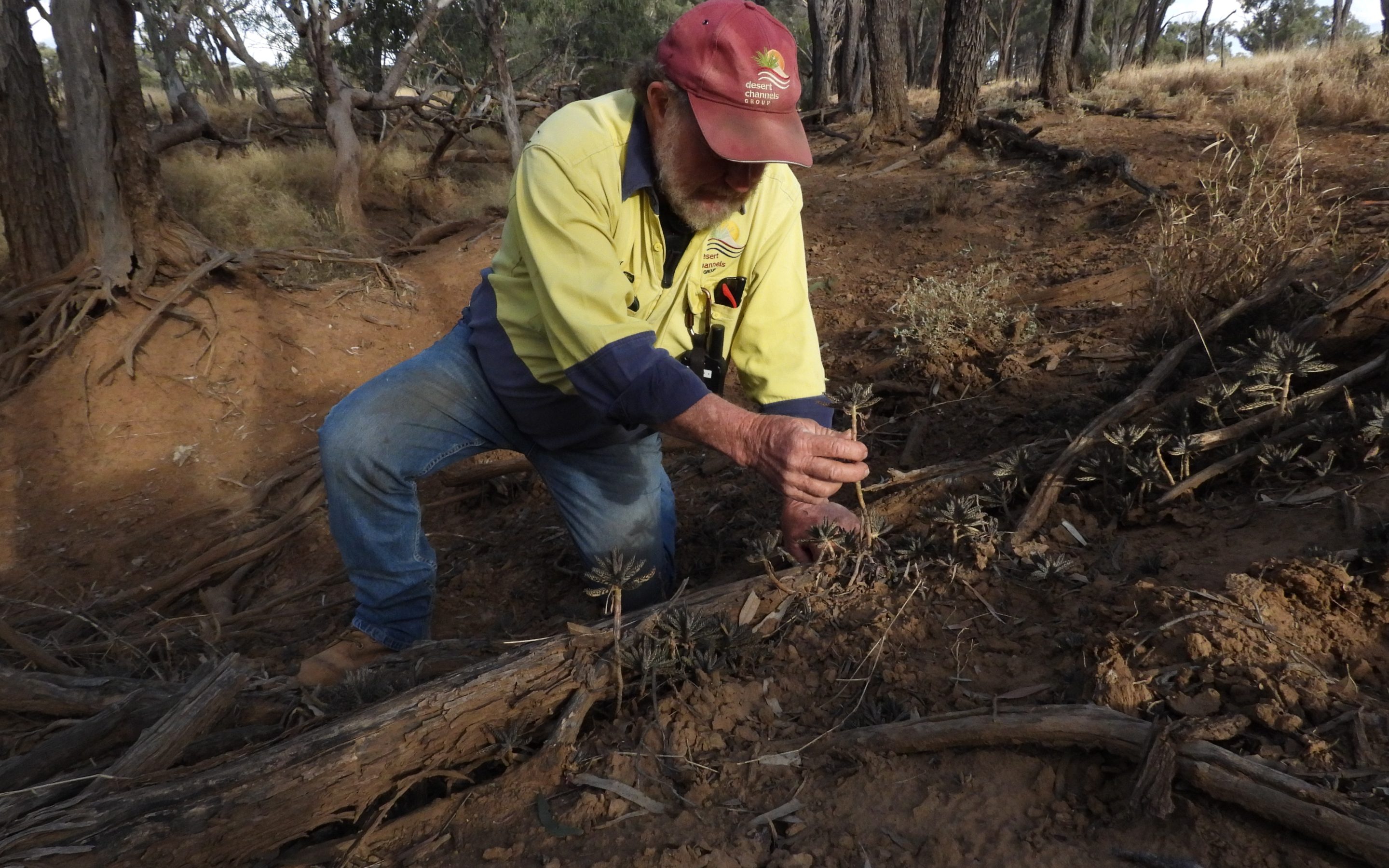
Project Coordinator Peter Spence and NRM Officer Maria Vega have recently been on-ground, meeting with landholders and mapping infestation locations.
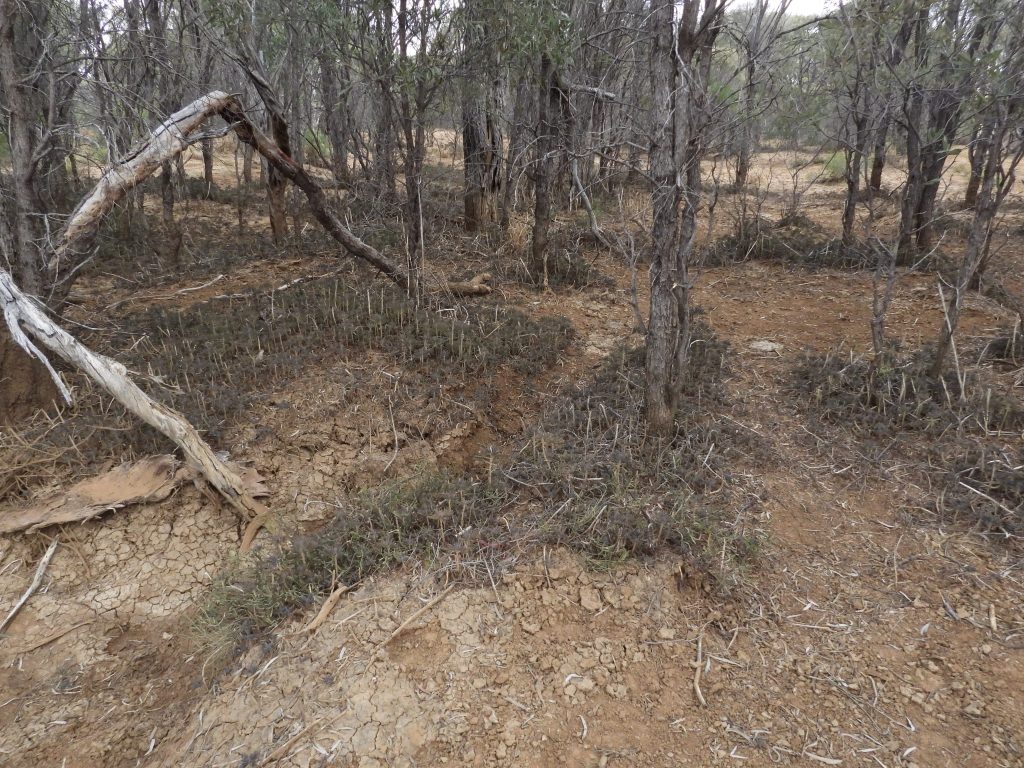
A severe Mother of Millions infestation along Ravensbourne Creek.
“We’re actually trying to map the density of Mother of Millions in the Ravensbourne Creek catchment area,” says Peter Spence.
“It’s a steady bloody infestation along the creek-lines and probably 50 or 60 metres off the creek.”
The goal is to treat Mother of Millions in upper catchment properties first, killing off invasive weeds at the source before moving down the creek system to cut infestations downstream.
Why are Mother of Millions so problematic?
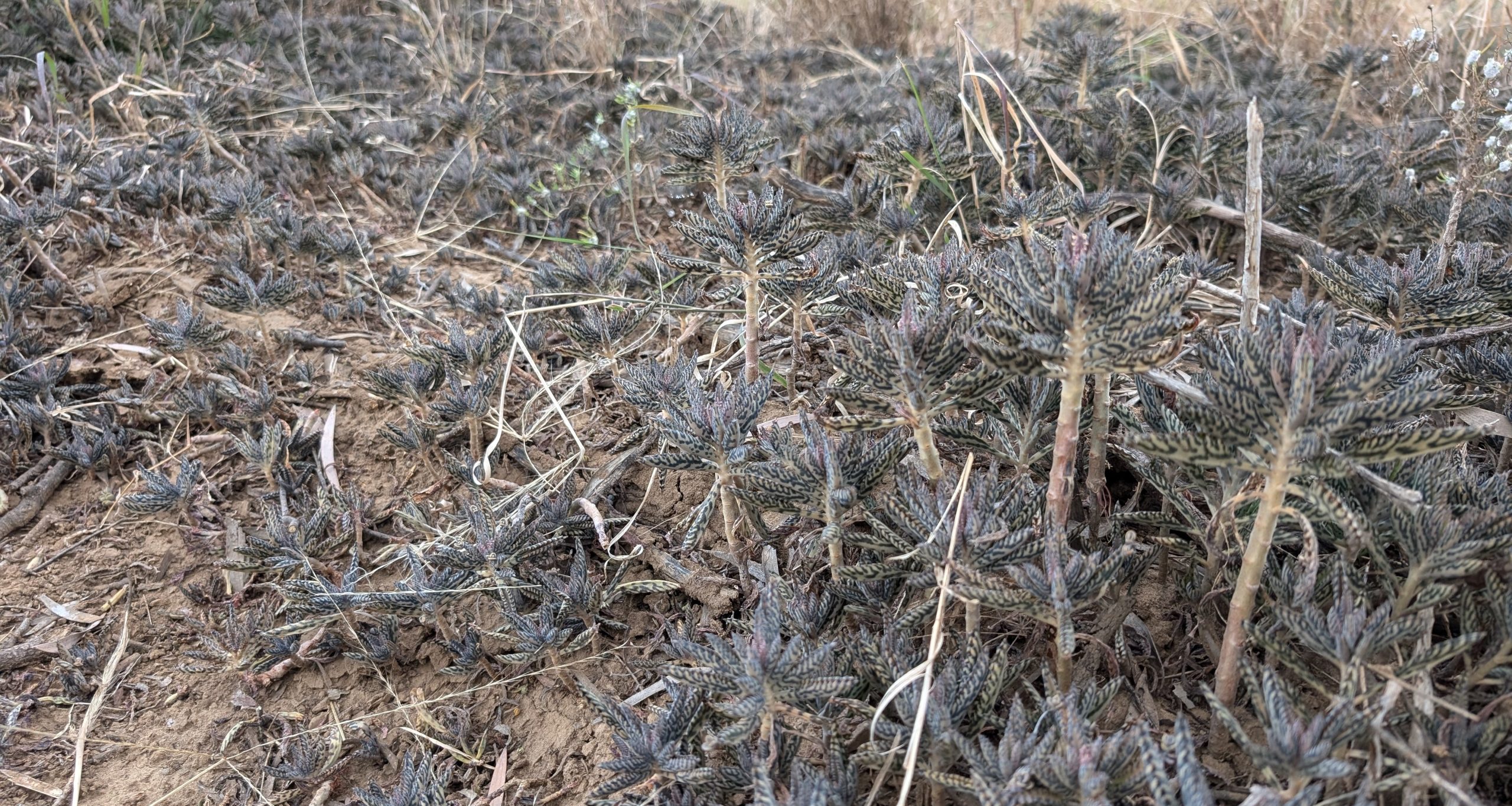
The main issue is that Mother of Millions spreads rapidly, gathering around the base of trees, killing biodiversity and agricultural assets by outcompeting native grasses and legumes.
But the succulent weed can also be deadly to sheep and cattle.
“Mother of Millions is toxic to stock and can kill stock if they eat it,” says Doug Allpass, who is DCQ’s Sustainable Agriculture Facilitator.
In New South Wales, toxins from the succulent were found to accumulate in sheep and cattle over several days, causing sudden heart failure or other dangerous poisoning symptoms.
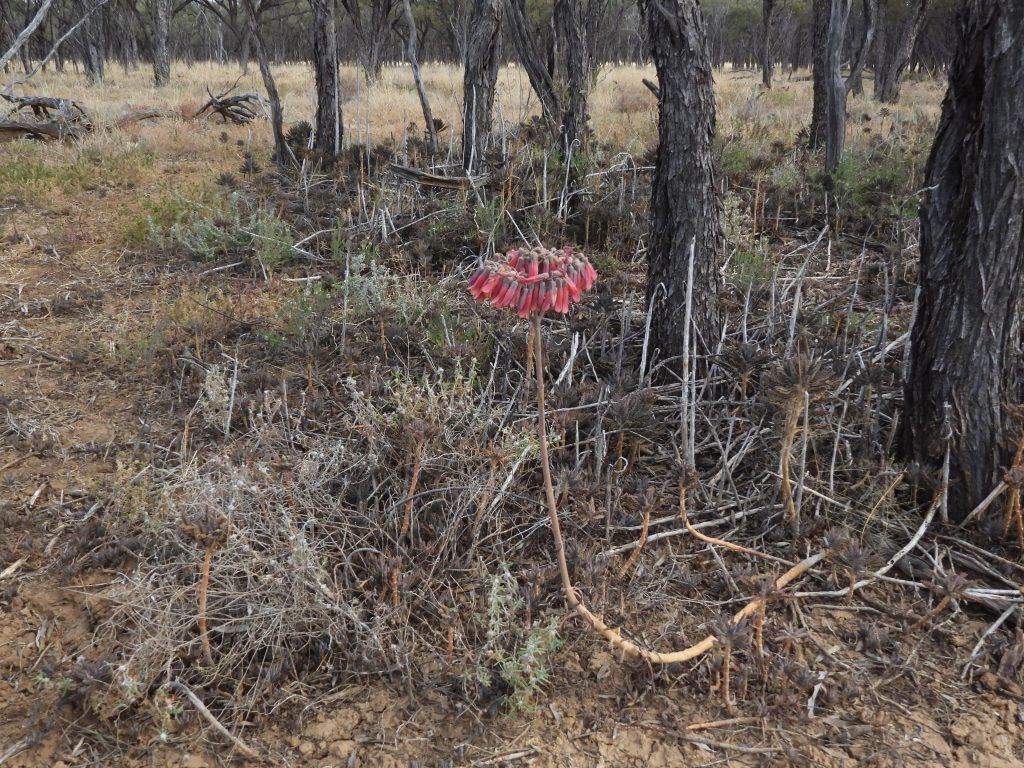
The red flower of Mother of Millions are particularly toxic to livestock.
Eating about 5kg of the plant is enough to kill an adult cow. (In thick infestations, this grows in a single square metre.)
We are not aware of any stock deaths near Blackall due to Mother of Millions, but poisonings are a real possibility and landholders should consider taking preventive action to reduce the risk.
Read more about this project via the Invasive Cactus & Succulents project page.