
(07) 4658 0600

Lambs Tail or Mulla Mulla? Wildflowers bloom in Western Qld
Aug 8, 2025News

It’s one of the most eye-catching sights in the outback – but Mulla Mulla isn’t just for show.

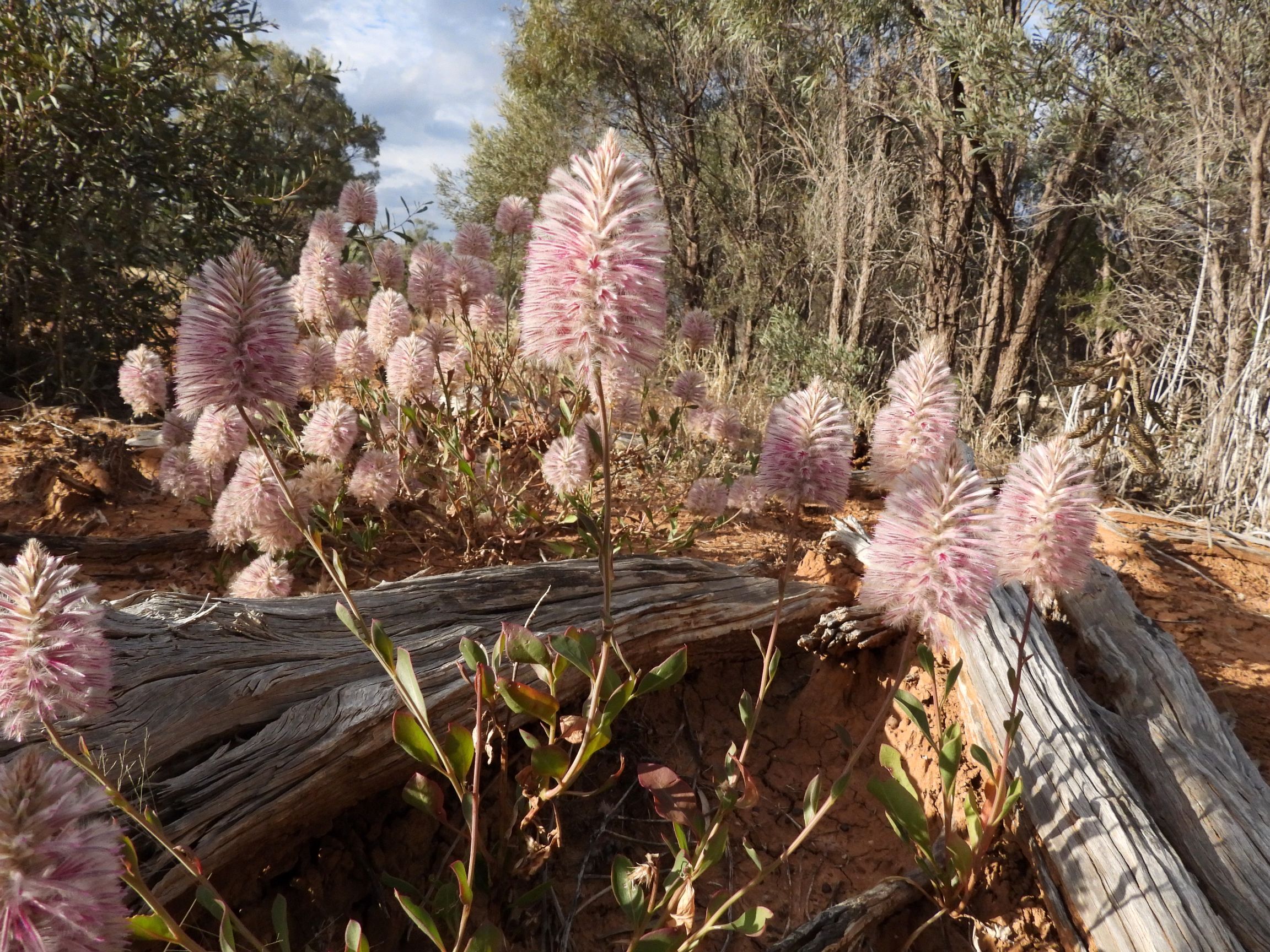
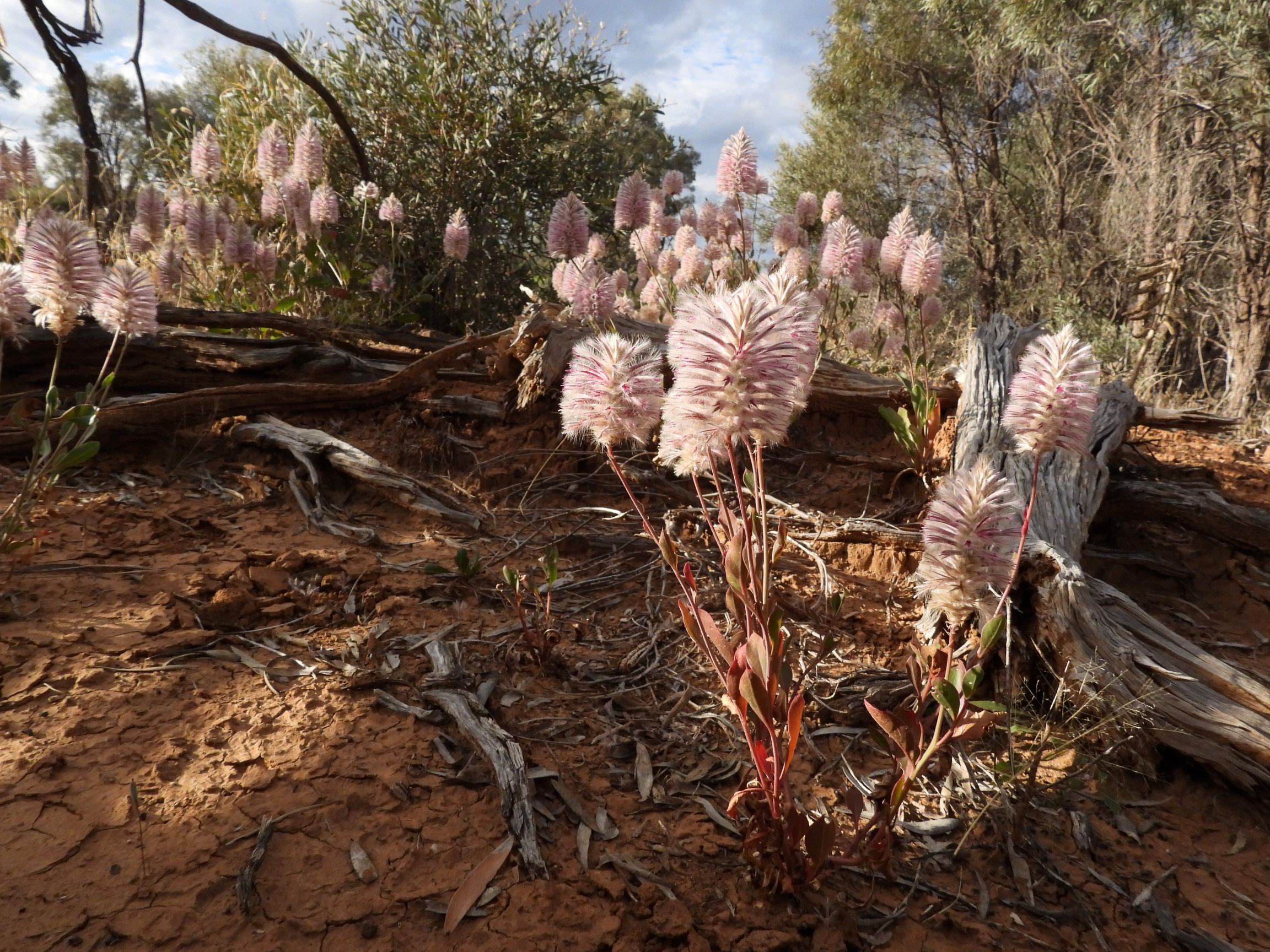
These pinky-purple wildflowers (Ptilotus exaltatus) have formed lush “feathery” carpets across red clay soils in Western Queensland recently, taking advantage of recent rainfall to put on a stunning flora display.

Also known as Mulla Mulla or Lambs Tail, these wildflowers are a common sight near Blackall, Yaraka, Longreach and Stonehenge, especially after winter rain.

With a preference for pebbly Mitchell grass country or gidyea country, you’ll find P. exaltatus all over the arid southern parts of our region.

A phosphorus powerhouse

But lesser known is the fact that this wildflower naturally manages phosphorus in the soil, playing a vital role in Western Queensland’s complex pasture ecosystems.

Importantly, P. exaltatus has an extraordinary ability to absorb and store phosphorus at very high concentrations – far more than any other known plant – without suffering toxicity.

It draws phosphorus efficiently from both low- and high-phosphorus soils, cycling nutrients for the benefit of wildlife and livestock all across some of Australia’s toughest country.
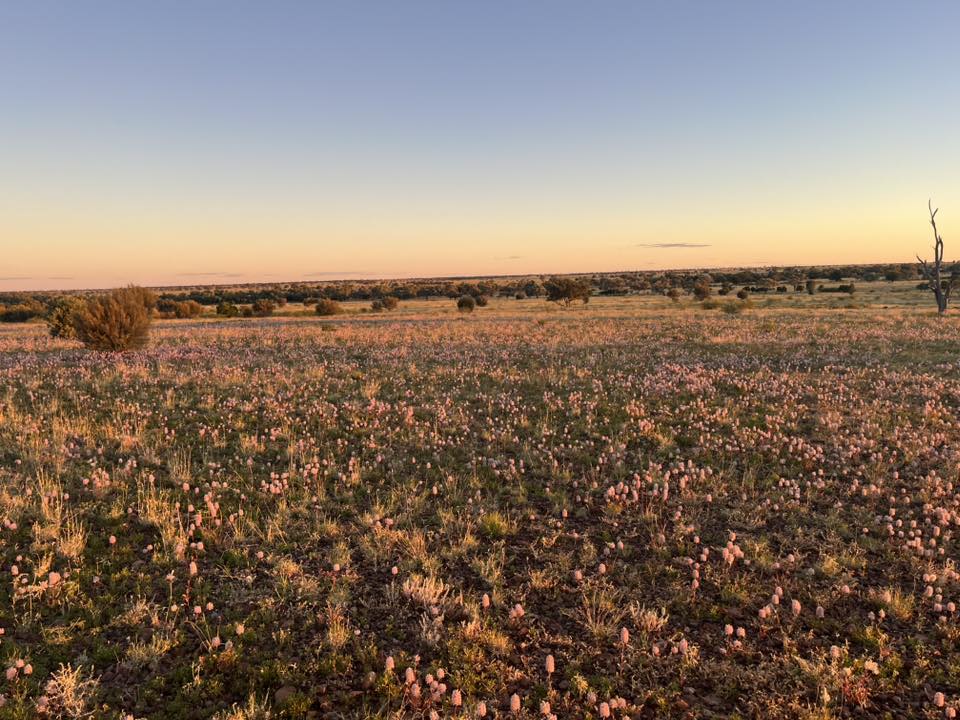
A field of pink wildflowers at sunset in Outback Queensland, as far as the eye can see.
Pink feather-topped wildflowers bloom amongst scrub in the sandy red clay soils of Western Queensland.

Watertight

The Queensland Government has established the WaterTight program to be carried out by the Natural Resource Management groups

MAKING THE LAND MORE PRODUCTIVE: REHABILITATION AFTER DROUGHT

Controlling erosion and pasture rehabilitation: Daryl Hill gives practical demonstrations in workshops across the DCQ Region

Prickly Acacia

Funded by the Commonwealth Government, the project aims to improve property planning to ensure that the current threats to springs are reduced.

LANDCARE

Funded through the Australian Government’s National Landcare Program, the SAF is a trusted partner providing critical advice and extension services

Emergency Plan

The BANC Emergency Preparedness and Response Plan outlines preparedness response and recovery actions for each asset with the aim of reducing the impact of catastrophic events.

What is the grazing impact of cattle vs kangaroos?

Drones are used to investigate some of the most vexing questions for land management in our region.

KEEPING UP WITH THE CAMELIDS

After fitting our camel herd with GPS ear tags, results have begun to trickle in.

Free ‘half-day’ veg management & mapping workshops

Get your head around thinning, infrastructure, fire management and encroachment clearing codes in the Desert Channels region.

Waddy Trees

Occurring in isolated populations on the fringe of the Simpson Desert in inland Australia, the Waddi tree is one of the country’s rarest trees.

Invasive Cactus

Cactus weeds have become more aggressive in our region due to climate shifts, drought and rainfall variability.

Emerging springs a ‘success’ in the Great Artesian Basin

Some exciting results from an emerging springs project in the Desert Channels region.

A New Way of Reading Country

In a Mitchell grass paddock in western Queensland, Desert Channels Queensland project officers trialled a new approach to land condition monitoring. Using the Land Condition Assessment Tool (LCAT) for the first time on Greening the Outback 3 participating properties,...

How poly-pipe squares help assess land ‘bio-condition’ over time

A square plays a important role in capturing changes in NRM condition for several projects in the DCQ region.

Night parrot listed as ‘critically endangered’ as monitoring underway

An elusive, rare parrot in the Desert Channels region that was once thought to be extinct.

Photos: Fast-moving bushfires a ‘real possibility’ in Western Qld this season

The Qld Rural Fire Service is concerned fires will be more dangerous than usual.

More funding to cap and pipe bores announced for Queensland

Up to 90% of your estimated eligible project costs could be covered. 

Land Condition

Restoring and revegetating bare ground country that has been barren for decades.

LANDCARE

Funded through the Australian Government’s National Landcare Program, the SAF is a trusted partner providing critical advice and extension services

Feral Pigs

Feral pigs devastate environmental, livestock and natural resources, and only a targeted and coordinated control effort will keep numbers down for good.

Prickly Acacia

Funded by the Commonwealth Government, the project aims to improve property planning to ensure that the current threats to springs are reduced.

HEAT

An environmental project focused on high value areas, properties that surround National Parks, or refugia that support crucial species migration in a changing climate.

IS DIESEL BECOMING A THING OF THE PAST?

The increased cost of diesel, along with its health and environmental issues, has opened the door for a new kind of herbicide.

THORNVILLE QUANDARY

When pastures don’t return as expected.

THE TECH SAVY DESERT RAT

iPads are not just toys for us. They’ve become critical tools in recording our data and helping us to refine our mapping.

SEEDY BUSINESS

Sometimes, even mother nature needs a hand. Having perfected Prickly Acacia control, we have begun seeding work to “turbo charge” pasture recovery.

SUCCESS IN THE MAKING

With the summer rain, plants are now leaping out of the ground.